






1920s Literature
The Age of Innocence (1920)
by Edith WhartonThe Age of Innocence by Edith Wharton is a novel written during the late 19th century. The story is set in the upper echelons of New York society, exploring themes of tradition, social norms, and personal desire. The narrative begins with Newland Archer, a young lawyer engaged to the demure May Welland, as he navigates the complexities of love and societal expectations amidst his attraction to May's scandalous cousin, Countess Ellen Olenska. | Alice Adams (1921)
by Booth TarkingtonThe story delves into the life of Alice Adams, a young woman navigating her family's struggles and her own aspirations while dealing with the complexities of social expectations. The narrative offers an exploration of the dynamics within the Adams family, particularly focusing on Alice's relationship with her father, Virgil Adams, who is recovering from illness and grappling with his job dissatisfaction. | An American Tragedy Volume 1 (1925)
by Theodore DreiserClyde Griffiths finds his social-climbing aspirations and love for a rich and beautiful debutante threatened when his lower-class pregnant girlfriend gives him an ultimatum. | An American Tragedy Volume 2 (1925)
by Theodore DreiserClyde Griffiths finds his social-climbing aspirations and love for a rich and beautiful debutante threatened when his lower-class pregnant girlfriend gives him an ultimatum. |
Babbitt (1922)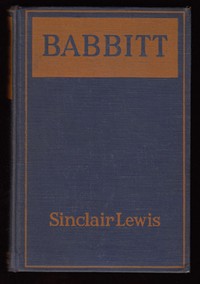
by Sinclair LewisBabbitt, first published in 1922, is a novel by Sinclair Lewis. Largely a satire of American culture, society, and behavior, it critiques the vacuity of middle-class American life and its pressure toward conformity. An immediate and controversial bestseller, Babbitt is one of Lewis' best-known novels and was influential in the decision to award him the Nobel Prize in literature in 1930. | The Beautiful and Damned (1922)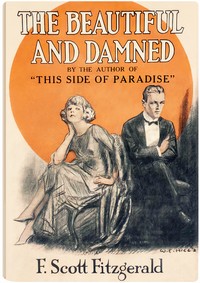
by F Scott FitzgeraldSet in an era of intoxicating excitement and ruinous excess, changing manners and challenged morals, F. Scott Fitzgerald’s second novel chronicles the lives of Harvard-educated Anthony Patch and his beautiful, willful wife, Gloria. | Cane (1923)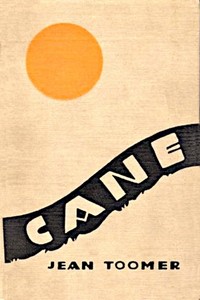
by Jean ToomerCane by Jean Toomer is a collection of interconnected literary pieces—poems, sketches, and short stories—written in the early 20th century. The work explores the lives of Black individuals in the rural South and urban North, capturing the essence of their experiences, struggles, and ambitions in a deeply lyrical and evocative style. | Elmer Gantry (1927)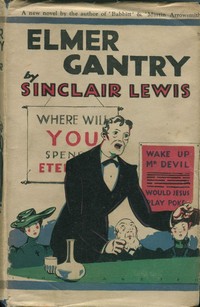
by Sinclair LewisElmer Gantry is a 1927 satirical novel written by Sinclair Lewis that presents aspects of the religious activity of the United States in fundamentalist and evangelistic circles and the attitudes of the 1920s public toward it. Reverend Dr. Elmer Gantry, the protagonist, is attracted by drinking, chasing women, and making easy money. |
The Glimpses of the Moon (1922)
by Edith WhartonWhen the novel opens, Nick and Susy are newlyweds enjoying a glimpse of the moon from the country home that they've borrowed from a friend for their honeymoon. Nick and Susy aren't typical newlyweds though. They have a deal and figure they'll be married to each other for about a year. At the end of that time (roughly determined as the amount of time in which they, the vastly entertaining but poor couple, can live off of their incredibly wealthy friends), they assume they will divorce and each remarry someone more suitable, by which they mean rich. | The Great Gatsby (1925)
by F Scott FitzgeraldThe Great Gatsby is a 1925 tragedy novel by American writer F. Scott Fitzgerald. Set in the Jazz Age on Long Island, near New York City, the novel depicts first-person narrator Nick Carraway's interactions with Jay Gatsby, a mysterious millionaire obsessed with reuniting with his former lover, Daisy Buchanan. | Her Father's Daughter (1921)
by Gene Stratton PorterHER FATHER'S DAUGHTER (1921) by Gene Stratton Porter is the story of Linda Strong, the titular heroine, a determined and opinionated young woman growing up in California in the 1920s. What could have been a typically charming and heartfelt story of personal discovery, loves and relationships by the beloved naturalist author is unfortunately marred by the strongly pronounced racist and anti-immigrant mindset of the heroine and several other characters. It must be pointed out that the racial prejudice portrayed here is typical of its time and must be viewed in a socio-historical context. | If Winter Comes (1921)
by A.S.M HutchinsonIf Winter Comes is a novel by A. S. M. Hutchinson, first published in 1921. It deals with an unhappy marriage, eventual divorce, and an unwed mother who commits suicide. It was a bestseller on publication and was adapted into film in 1923 and 1947. |
Jacob's Room (1922)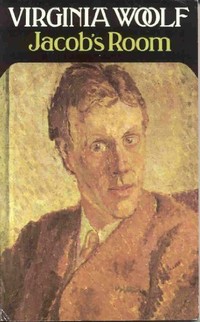
by Virginia WoolfSet in pre-war England, the novel begins in Jacob's childhood and follows him through college at Cambridge, and then into adulthood. The story is told mainly through the perspectives of the women in Jacob's life, including the repressed upper-middle-class Clara Durrant and the uninhibited young art student Florinda, with whom he has an affair | Main Street (1920)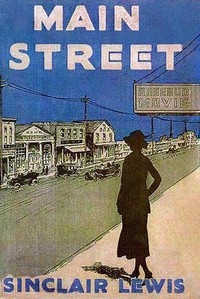
by Sinclair LewisCarol Milford marries Will Kennicott, a doctor, who is a small-town boy at heart. Will convinces her to live in his home-town of Gopher Prairie, Minnesota, a town modeled on Sauk Centre, Minnesota, the author's birthplace. Carol is appalled at the backwardness of Gopher Prairie. But her disdain for the town's physical ugliness and smug conservatism compels her to reform it. | Manhattan Transfer (1925)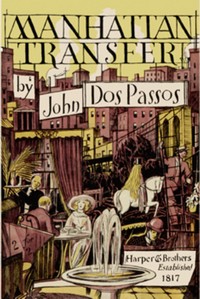
by John Dos PassosManhattan Transfer by John Dos Passos is a novel written in the early 20th century. The book delves into the lives of various characters in New York City during a time of significant change and upheaval, providing a vivid tapestry of urban life. The main characters include Bud Korpenning and Ed Thatcher, who are depicted as they navigate their individual journeys amidst the bustling, often overwhelming, landscape of the city. | The Midlander (1923)
by Booth TarkingtonThe Midlander by Booth Tarkington is a novel written in the early 20th century. The story explores the lives of the Oliphant brothers, Harlan and Dan, who represent contrasting personalities and social ideals against the backdrop of their affluent upbringing. The novel delves into themes of class, identity, and the negotiation of familial expectations as the brothers navigate their relationships and the societal pressures of their time. |
Mrs Dalloway (1925)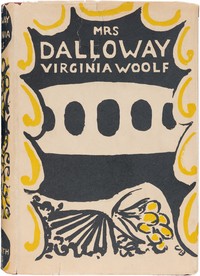
by Virginia WoolfMrs Dalloway is a novel by Virginia Woolf published on 14 May 1925. It details a day in the life of Clarissa Dalloway, a fictional upper-class woman in post-First World War England. | The Mysterious Affair at Styles (1920)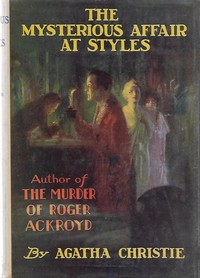
by Agatha ChristieThe story centers around the mysterious death of an elderly matriarch, Mrs. Inglethorp, at Styles Court, her estate in Essex, and the subsequent investigation into the incident. The main character is Captain Arthur Hastings, who narrates the tale and has a close association with the famed Belgian detective Hercule Poirot, who takes on the role of sleuthing to uncover the truth surrounding Mrs. Inglethorp's demise. | The Plastic Age (1924)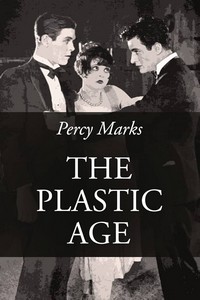
by Percy MarksThe Plastic Age is a novel by Percy Marks, which tells the story of co-eds at a fictional college called Sanford. | Poor White (1920)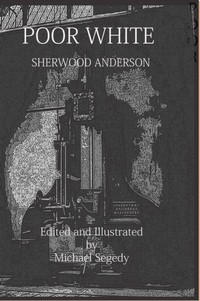
by Sherwood AndersonIt is the story of an inventor, Hugh McVey, who rises from poverty on the bank of the Mississippi River. The novel shows the influence of industrialism on the rural heartland of America. |
Siddhartha (1922)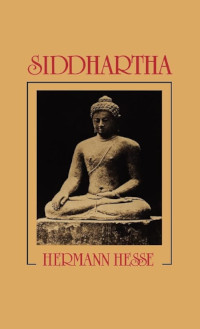
by Hermann HesseSiddhartha by Hermann Hesse is a philosophical novel written during the early 20th century. The story revolves around a young Indian Brahman named Siddhartha, who embarks on a spiritual journey in search of enlightenment and self-discovery amidst the complexities of life, including friendship, love, and the quest for true meaning beyond mere existence. | The Sound and the Fury (1929)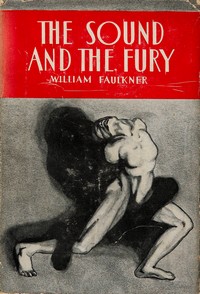
by William FaulknerThe Sound and the Fury is the tragedy of the Compson family, featuring some of the most memorable characters in literature: beautiful, rebellious Caddy; the manchild Benjy; haunted, neurotic Quentin; Jason, the brutal cynic; and Dilsey, their black servant. Their lives fragmented and harrowed by history and legacy, the character’s voices and actions mesh to create what is arguably Faulkner’s masterpiece and one of the greatest novels of the twentieth century. | The Sun Also Rises (1926)
by Ernest HemingwayThe Sun Also Rises is the first novel by the American writer Ernest Hemingway, following his experimental novel-in-fragments In Our Time (1925). It portrays American and British expatriates who travel from Paris to the Festival of San Fermín in Pamplona and watch the running of the bulls and the bullfights. | This Side of Paradise (1920)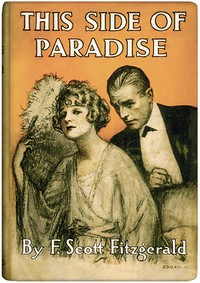
by F Scott FitzgeraldIts protagonist, Amory Blaine, is an attractive Princeton University student who dabbles in literature. The novel explores the theme of love warped by greed and status seeking. The novel famously helped F. Scott Fitzgerald gain Zelda Sayre's hand in marriage due to its success. |
To The Last Man (1921)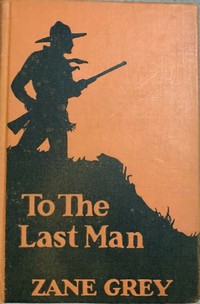
by Zane GreyThe story follows an ancient feud between two frontier families that is inflamed when one of the families takes up cattle rustling. The ranchers are led by Jean Isbel and, on the other side, Lee Jorth and his band of cattle rustlers. The story is based on a factual event involving the notorious Hashknife gang of Northern Arizona. |